Epilepsy is among the most misunderstood neurological conditions, often surrounded by fear, misinformation and social stigma. For decades, people experiencing seizures have faced misconceptions that associate the condition with supernatural causes or personal weakness. However, epilepsy is a medical condition arising from abnormal electrical activity in the brain, and with timely diagnosis and appropriate treatment, many people can lead healthy, productive lives. The challenge today is not merely to understand epilepsy but to ensure that advances in medical science reach those who need them.
In India, approximately 500,000 new epilepsy cases are added annually, while the estimated prevalence ranges from five to 11.9 per 1,000 people. In many cases, the underlying cause remains unidentified. The burden is further compounded by delayed diagnosis, limited access to neurological specialists and the reluctance of families to seek medical attention because of social stigma. This makes epilepsy not just a healthcare concern but also a wider public health and social inclusion issue.
Moving beyond conventional medication
Anti-seizure medications remain the first line of treatment for most people diagnosed with epilepsy. These medicines work by regulating abnormal electrical activity in the brain and can help a significant proportion of patients achieve sustained seizure control. However, treatment response varies, and some individuals continue to experience seizures despite trying multiple medications. Others may face side effects that affect their memory, concentration, mood and everyday functioning.
Modern epilepsy management therefore requires a more individualised approach. Accurate seizure classification, identification of the underlying cause and appropriate selection of medication are essential to improving outcomes. Electroencephalography (EEG), brain imaging, particularly magnetic resonance imaging (MRI), and other diagnostic investigations help specialists understand the type and origin of seizures and guide treatment decisions.
Advanced treatment options for drug-resistant epilepsy
For patients whose seizures remain uncontrolled despite appropriate trials of two suitable anti-seizure medications, drug-resistant epilepsy may be considered. In such cases, simply increasing medication doses or repeatedly changing prescriptions may not be sufficient. Evaluation at a specialised epilepsy centre becomes particularly important.
Epilepsy surgery is an established treatment option for carefully selected patients, especially when seizures originate from a clearly identifiable and surgically accessible area of the brain. Procedures such as resective surgery can significantly reduce, and in some cases eliminate, seizures. Minimally invasive techniques, including laser interstitial thermal therapy, may also be suitable for selected cases.
For patients who are not candidates for conventional surgery, neuromodulation therapies offer additional possibilities. Vagus nerve stimulation (VNS), deep brain stimulation (DBS) and responsive neurostimulation (RNS) can help reduce seizure frequency in selected patients, although availability and suitability vary. Dietary therapies, particularly the ketogenic diet, may also be considered under specialist supervision, especially in children with difficult-to-control epilepsy.
What India needs at a national scale
Despite these advances, access to comprehensive epilepsy treatment remains uneven. Specialist services, advanced diagnostic facilities and epilepsy surgery programmes are concentrated in a limited number of centres. The result is a substantial gap between what modern medicine can offer and what patients can practically access.
India needs a stronger national epilepsy care framework built around early identification, affordable diagnosis and timely referral. District hospitals and primary healthcare facilities should be equipped to recognise seizures, provide initial management and refer complex cases to neurologists. Investment in EEG facilities, MRI access, trained epileptologists and multidisciplinary epilepsy centres is equally important.
Equitable access to essential anti-seizure medicines must remain a priority, alongside financial support for patients requiring surgery or advanced therapies. Training healthcare workers, strengthening rehabilitation and counselling services, and integrating epilepsy awareness into public health campaigns can further improve long-term outcomes.
Replacing stigma with scientific understanding
Medical progress alone cannot address the full burden of epilepsy. Families, schools, workplaces and communities must understand that epilepsy is not contagious and that a seizure does not make someone incapable of education, employment or independent living. Public education should also promote appropriate seizure first aid, including protecting the person from injury, placing them on their side when possible, timing the seizure and avoiding attempts to restrain them or put objects in their mouth.
The future of epilepsy care in India must be defined by more than the availability of medicines. It requires a system that combines scientific advances, accessible specialist care, financial protection and social acceptance. Cost-cutting for MRIs is also important. People with epilepsy should not have to fight both their condition and the prejudice surrounding it. With the right medical support and a stronger national commitment, seizure control can become a more achievable reality rather than a distant promise.
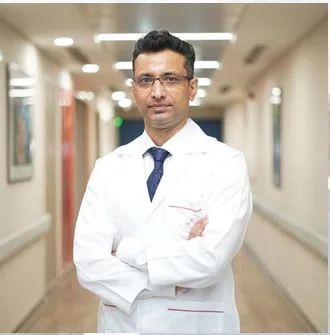
Dr Amit Gupta is Director, Neurosurgery & Spine Surgery, CK Birla Hospital, Delhi