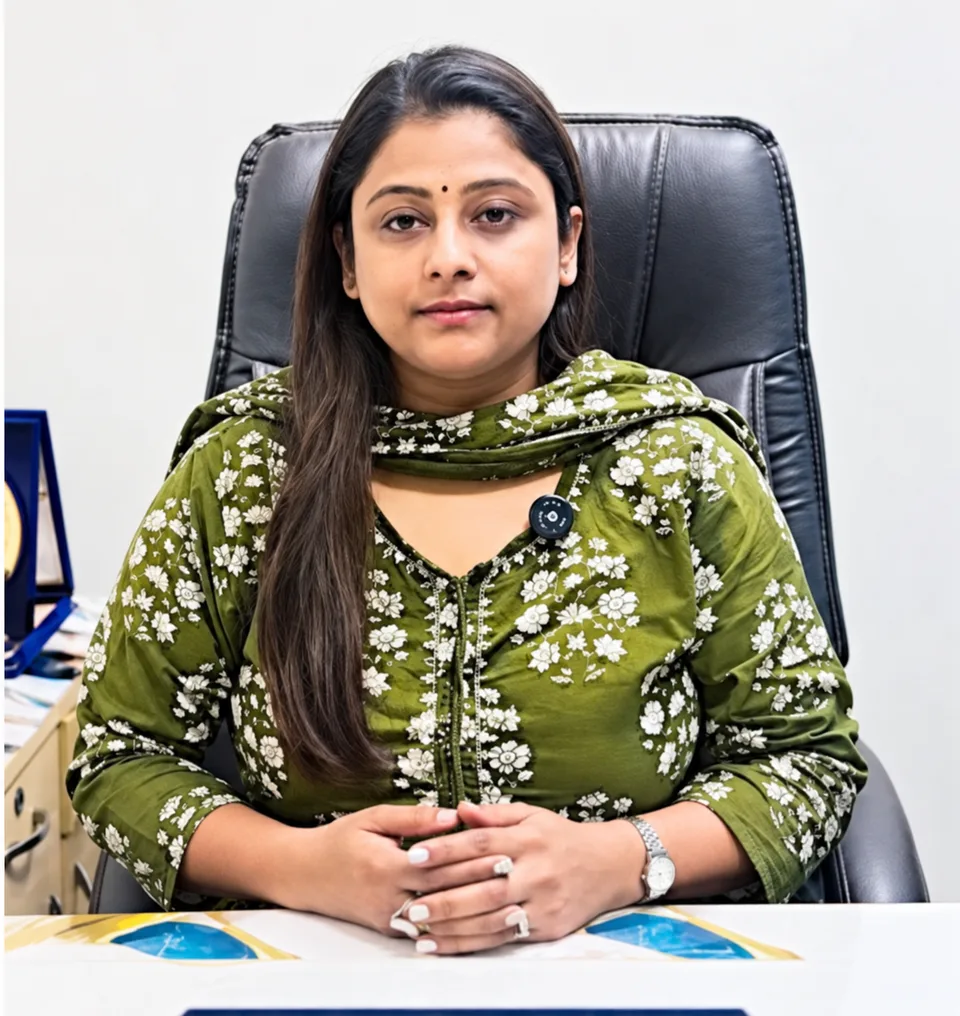
In my years of practice, the most common sentence I hear in the first session is not that “I am depressed.” It is “I don’t know if this is even a real problem.” People arrive after months, sometimes years, of quietly managing sleeplessness, dread or a heaviness they cannot name, and still apologise for taking up my time.
That hesitation says a lot about where India stands on mental health today.
The numbers are difficult to ignore. As per available data, nearly 10.6 per cent of Indian adults live with a diagnosable mental health disorder, and nearly 15 per cent need active intervention. The lifetime prevalence is 13.7 per cent. Yet behind every percentage is a person who, in all likelihood, has told no one.
Some patterns deserve our attention. According to reports, mental health conditions are almost twice as common in urban areas (13.5 per cent) as in rural ones (6.9 per cent). This does not surprise me. Our cities run on long commutes, cramped homes, job insecurity, constant comparison and the unspoken rule that being busy equals being fine. Even the startup boom, celebrated for its energy, is now being linked to a growing wellbeing crisis among the young people powering it.
Some data also points out that women report depression and anxiety at roughly double the rate of men. I read these findings with caution, because men are often less likely to name distress at all. A man taught that “men don’t break” does not stop hurting; he simply stops speaking. His pain may surface later as anger, withdrawal or addiction. Women, meanwhile, often carry the invisible load of caregiving, careers, and expectations, with little room to be unwell.
The most worrying figure concerns the young. Nearly half of all mental health conditions begin by age 14, and three-quarters by 24. Yet a global youth study placed Indian adults aged 18 to 34 at a Mind Health Quotient score of just 33, a sign of real struggle. These are students facing relentless exam pressure, graduates in an uncertain job market, and young people who live online but feel unseen. When a teenager says, “I’m just tired,” we tend to say, “Sleep early.” We rarely ask, “Tired of what?”
This is why the theme of World Mental Health Day 2026 resonates with me: “Lived experiences heard: real voices, real change.” It asks us to move beyond tokenism and place people who have actually lived through these struggles at the centre of designing policies, services, and community supports. As a clinician, I can say that no textbook has taught me as much as my clients have.
Encouragingly, the conversation is changing. Cities are finding creative ways to talk about it, from art to athletics, and they are openly discussing early warning signs on mainstream platforms. But conversation alone does not equal care. We need accessible counselling in schools and workplaces, trained professionals beyond metros, and community-based support so that recovery does not mean being sent away from home.
There is also something each of us can do. Listen without hurrying to fix. Resist phrases like “everyone feels this way” or “be strong”. Notice when a friend goes quiet, sleeps too little or too much, or withdraws from things they once loved. Ask, then give them time to answer.
And if you are the one carrying that heaviness, please know that seeking help is not weakness or overreaction. It is among the most practical decisions you can make for yourself.
This World Mental Health Day, let us commit to listening first. When people feel heard, they begin to heal, and so do the families and communities around them.
(Neelam Mishra is a consultant psychologist with Sir Ganga Ram Hospital)