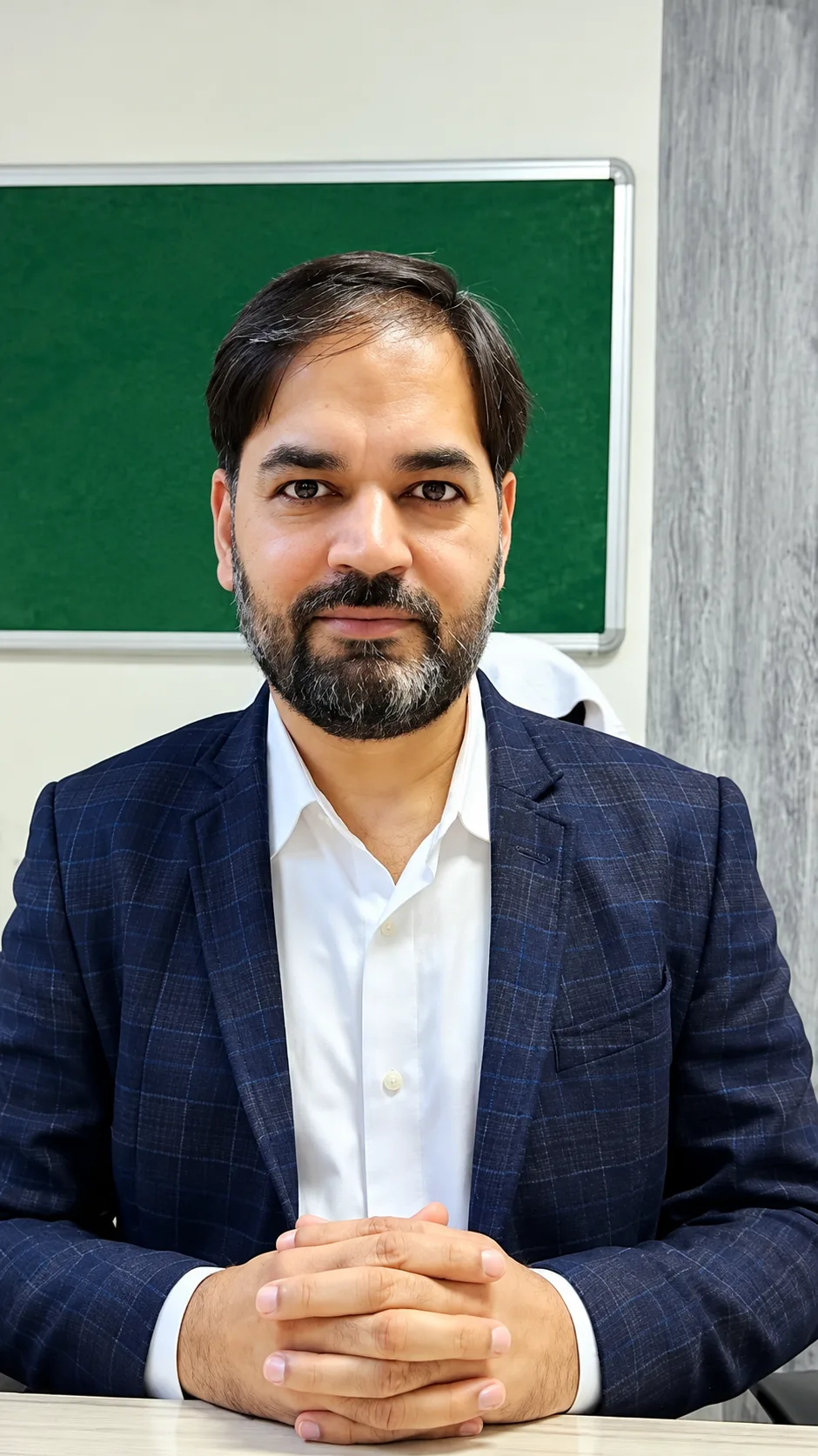
Every Indian should learn the FAST signs of stroke (face drooping, arm weakness, speech difficulty, and time to call emergency help), along with other red flags such as sudden vision problems, loss of balance, dizziness, and severe unexplained headache, says Dr Anurag Lamba, Director of Neurology, Paras Health Panchkula. He stresses that delay can limit treatment options and raise the risk of disability, so families should call emergency services at once, note when symptoms began and reach a stroke-ready hospital without waiting for signs to settle or trying home remedies. In this Q&A, his message this World Stroke Day is clear: never ignore the sudden changes because stroke can strike anyone, and early intervention makes a meaningful difference to recovery.
1. What are the key warning signs of stroke that every Indian should know? How can people quickly recognise them, even if they have never encountered a stroke before?
Dr Anurag Lamba: People should remember FAST: Face drooping, Arm weakness, speech difficulty and time to seek emergency help. Other warning signs include sudden vision problems, loss of balance, dizziness or severe unexplained headache. Symptoms usually appear suddenly. Even if they disappear after a few minutes, immediate medical assessment is important because they may indicate a serious neurological problem.
2. The phrase “Every Minute Counts” highlights the urgency of stroke treatment. What happens to a patient’s chances of recovery when treatment is delayed, and what should families do immediately if they suspect a stroke?
Dr Anurag Lamba: During a stroke, brain cells can be damaged rapidly, making early treatment crucial for preserving brain function. Delays may limit treatment options and increase the risk of disability. Families should immediately call emergency services, note when symptoms first appeared and take the patient to a stroke-ready hospital. They should not wait for symptoms to improve or attempt home remedies.
3. What role can cinema, television, digital media, and schools and community health programmes play in making stroke as widely understood as a heart attack?
Dr Anurag Lamba: Cinema and television can portray stroke
symptoms realistically and demonstrate the importance of immediate medical attention. Digital platforms can share short, accessible videos and infographics explaining warning signs. Schools and community health programmes can organise awareness sessions, and healthcare professionals can educate families during routine consultations.
Repeated, consistent messaging across these platforms can make stroke recognition more familiar to the public.
4. What concrete steps should India take to improve stroke awareness? Should stroke education become a routine part of school curricula, workplace health programmes and primary healthcare services?
Dr Anurag Lamba: India needs a coordinated approach involving public health authorities, hospitals, educational institutions and the media. Stroke awareness can be integrated into school health education, workplace wellness programmes and primary healthcare consultations. Community campaigns should explain warning signs, risk factors and emergency response. Training frontline healthcare workers to recognise suspected stroke and facilitate timely referrals can further strengthen early intervention.
5. What is the one message you would like every Indian to remember this World Stroke Day about recognising stroke and seeking emergency treatment?
Dr Anurag Lamba: My message is simple: never ignore sudden changes in facial movement, arm strength, speech, vision or balance. Stroke can happen to anyone, and every minute matters when it comes to treatment. Remember FAST, call emergency services immediately, and seek care at a stroke-ready hospital. Do not wait for symptoms to settle, as early intervention can make a meaningful difference to recovery.