When someone survives a stroke, families often focus on visible signs of recovery — walking again, regaining speech and returning to daily activities. But what if the person seems physically better yet struggles with memory, mood or behaviour?
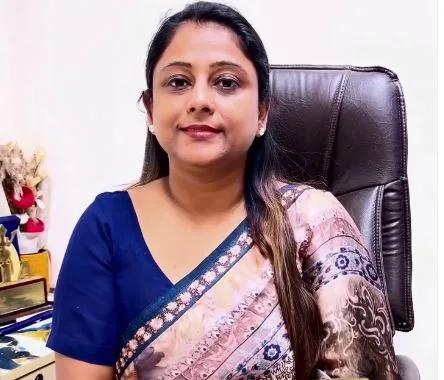
Stroke can affect much more than movement. It can change how a person thinks, feels and connects with others. On World Stroke Day, we speak with Neelam Mishra, an experienced clinical neuropsychologist and rehabilitation consultant helping adults and families across Delhi NCR, about the often-overlooked challenges of stroke recovery and how families can help.
Q1. We often focus on physical recovery after a stroke. What are some of the less visible challenges survivors face?
Neelam Mishra: Stroke can affect memory, concentration, decision-making and emotional well-being. A person may regain the ability to walk but still struggle to remember conversations, complete everyday tasks or manage frustration.
These difficulties can affect confidence and independence. Families need to understand that physical improvement does not always mean complete recovery. Cognitive and emotional health deserve attention, too.
Q2. Families often say, “They are not the same person anymore.” Why can a stroke change someone’s mood or behaviour?
Neelam Mishra: A stroke can affect brain networks involved in emotional regulation and behaviour. Some survivors may become irritable, withdrawn, unusually emotional or less able to manage frustration.
These changes are not necessarily intentional. They may be related to the effects of the stroke, emotional distress or fatigue. Rather than labelling the person as difficult, families should try to understand what has changed and seek professional guidance when needed.
Q3. Why do some stroke survivors experience depression, anxiety or frustration even when their physical recovery is progressing?
Neelam Mishra: Imagine suddenly needing help with tasks you have managed independently throughout your life. For many survivors, this loss of independence can be frightening and frustrating.
They may worry about their future, their family or whether they will regain their previous abilities. Slow progress and mental fatigue can add to the stress. Persistent sadness, anxiety or withdrawal should not be dismissed as a lack of willpower. Psychological support can help survivors cope with these changes.
Q4. How can a stroke affect memory, concentration and decision-making? What should families look for?
Neelam Mishra: A survivor may forget recent conversations, repeat questions, lose track of instructions or struggle to organise everyday tasks. Others may experience difficulty concentrating or makingt difficult to concentrate or make decisions.
These difficulties can be mistaken for carelessness or unwillingness to cooperate. A clinical neuropsychological assessment can help identify the areas affected and guide rehabilitation strategies suited to the person’s needs.
Q5. What role does a clinical neuropsychologist play in stroke rehabilitation, and when should families seek help?
Neelam Mishra: A clinical neuropsychologist assesses cognitive abilities and emotional functioning to understand how a stroke is affecting everyday life.
Depending on the person’s needs, rehabilitation may include strategies to manage memory and attention difficulties, improve daily functioning and cope with emotional challenges. Families should consider seeking help if they notice persistent cognitive difficulties, significant mood changes or problems with everyday activities.
Q6. What is neuropsychological rehabilitation, and how does it help someone recover after a stroke?
Neuropsychological rehabilitation addresses difficulties with memory, attention, thinking, behaviour and emotions after a stroke. It begins by identifying the person’s specific challenges and how they affect daily life.
Depending on their needs, rehabilitation may involve memory exercises, concentration strategies or practical tools such as reminders and structured routines. The aim is to improve everyday functioning and help survivors regain as much independence as possible.
Q7. What is the role of a psychologist in stroke recovery? When should families consider consulting one?
Neelam Mishra: A psychologist can help survivors cope with anxiety, low mood, frustration and loss of confidence. A clinical neuropsychologist can also assess cognitive difficulties and guide appropriate rehabilitation.
Families should seek guidance if a survivor experiences persistent emotional distress, memory problems, withdrawal or difficulty adjusting to life after stroke. Early recognition can help them access appropriate support.
Q8. How can families support someone who becomes angry, withdrawn or frustrated after a stroke?
Neelam Mishra: Patience and understanding can make a real difference. Give the person time to respond, keep instructions simple and break difficult tasks into manageable steps. Avoid criticism or comparisons with how they functioned before the stroke.
Encourage independence wherever possible, while offering help when needed. If emotional or behavioural changes persist, seek professional advice. Caregivers should also look after their own well-being during what can be a demanding recovery journey.
Q9. Can cognitive and emotional difficulties improve with rehabilitation? What should families realistically expect?
Neelam Mishra: Improvement is possible, but recovery varies depending on the stroke, the difficulties experienced and individual circumstances.
Rehabilitation can help survivors develop strategies to manage cognitive difficulties, cope with emotional changes and improve everyday functioning. Progress may be gradual, and some people may continue to need support. The focus should be on realistic individual goals, greater independence and a better quality of life.
Q10. What is one thing you want every stroke survivor and their family to understand about recovery?
Neelam Mishra: Recovery is about more than what people can see. A survivor may appear physically well but still struggle with memory, emotions or confidence.
These difficulties deserve understanding, not judgement. With appropriate medical care, rehabilitation, psychological support and family involvement, survivors can work towards greater independence and meaningful participation in everyday life. Every recovery journey is different, and each person deserves the support to move forward at their own pace.
[Neelam Mishra is a consultant psychologist with Sir Ganga Ram Hospital, New Delhi.]