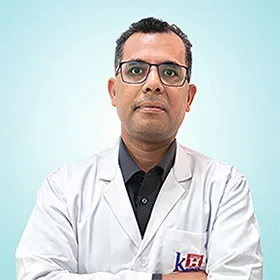
Ask most people about the warning signs of a heart attack, and they can name a few. Years of portrayal in films and television, and constant everyday conversation about blood pressure and cholesterol, have built that awareness. Stroke can be just as sudden and just as devastating, but it has not received the same exposure. Many families do not recognise its warning signs, mistake them for tiredness or age, and lose precious hours before they reach a hospital. In this conversation, Dr. Nitin Kumar Rai, consultant neurologist at Kailash Hospital, Noida, explains why stroke gets less public attention and how media representation shapes awareness, which misconceptions he encounters most in clinical practice, and why delay in seeking care can mean lasting disability.
1. Why does stroke seem to receive less public attention than heart disease in India? Is this perception supported by your experience in clinical practice?
Dr Nitin Kumar Rai: Stroke often receives less attention than heart disease because public discussions around heart attacks, cholesterol and blood pressure are more common. In clinical practice, many patients and families are less familiar with stroke symptoms and risk factors. This highlights the need for greater public education about stroke prevention and timely treatment.
2. Heart attacks are frequently portrayed in films and television, while strokes are less commonly discussed. Does this difference in mass-media representation contribute to the awareness gap?
Dr Nitin Kumar Rai: Yes, media representation can influence public understanding of medical emergencies. Films and television frequently portray heart attacks, making their symptoms more recognisable to viewers. Stroke receives comparatively less attention, which may contribute to limited awareness. Responsible storytelling across entertainment and digital platforms can help people identify stroke symptoms and understand the urgency of seeking medical care.
3. What are the most common misconceptions about stroke that you encounter among patients and their families? Do people often confuse its early warning signs with something less serious?
Dr Nitin Kumar Rai: A common misconception is that a stroke affects only older adults or always causes complete paralysis. Some people mistake sudden weakness, facial drooping, slurred speech or difficulty walking for fatigue, weakness or age-related problems. Stroke can affect adults of different ages, and recognising sudden neurological symptoms as an emergency is essential for timely medical evaluation.
4. How frequently do patients or their families fail to recognise stroke symptoms and delay seeking emergency care? What are the consequences of such delays?
Dr Nitin Kumar Rai: The extent of delay varies, but lack of symptom awareness can prevent families from seeking immediate medical attention. Stroke treatment is time-sensitive, and delays may reduce access to eligible treatments and increase the risk of lasting disability. Prompt hospital evaluation can help doctors determine the appropriate treatment and improve the chances of recovery.